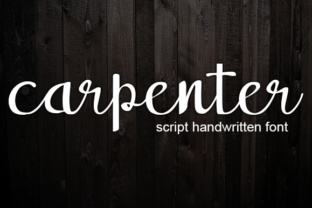
Carpenter: A Beautiful Script Font for Every Need
Carpenter is more than just a font—it's a versatile and expressive typeface that brings a unique, handcrafted feel to any design. With its irregular baseline and elegant strokes, it adds character and personality to text in a way that feels both natural and refined. Whether you're designing a logo, creating a t-shirt, or crafting signage, Carpenter offers a fresh alternative to the standard script fonts.
For many, the appeal of Carpenter lies in its ability to blend simplicity with sophistication. Its irregular baseline gives it a dynamic look that stands out from the rigid structure of most typefaces. This makes it ideal for projects that require a bit of visual interest without sacrificing readability.
Why Different Audiences Care About Carpenter
The value of Carpenter can vary depending on who is using it and what they're trying to achieve. For beginners, the font might be an easy way to add a personal touch to their designs without needing advanced skills. For professionals, it could offer a unique tool for branding or marketing materials that need to stand out.
Creators and artists often appreciate the artistic quality of Carpenter. Its organic feel makes it perfect for illustrations, book covers, or social media posts where visual storytelling is key. Educators might find it useful for creating engaging lesson plans or classroom materials that capture students' attention.
Business owners and entrepreneurs may see Carpenter as a way to differentiate their brand. A custom font can help a business appear more authentic and creative, especially in industries like fashion, food, or handmade goods. Consumers, on the other hand, might not think about fonts much, but they often respond positively to designs that feel more human and less manufactured.
How Different Users Might Approach Carpenter
Beginners might start by experimenting with Carpenter in simple projects, such as creating a quote graphic or a greeting card. They may focus on how the font looks in different sizes and colors, learning how to balance style with legibility. For them, ease of use and accessibility are key factors.
Experienced designers, however, might explore Carpenter's flexibility in more complex layouts. They could use it alongside other typefaces to create contrast and hierarchy in a design. Their priorities might include scalability, compatibility with design software, and how well the font performs in both digital and print formats.
Entrepreneurs and small business owners might consider the commercial value of Carpenter. If they're looking to build a brand identity, a custom font can be a powerful asset. They may evaluate whether the font aligns with their brand's tone and whether it can be used across various platforms, from websites to packaging.
Consumers, while not directly involved in font selection, may still benefit from the aesthetic choices made by others. A well-designed logo or product label featuring Carpenter can make a brand more appealing and memorable. They might not know the name of the font, but they’ll notice the difference it makes in visual appeal.
Practical Uses for Different Projects
For bloggers and content creators, Carpenter can be a great choice for headlines or featured images. It adds a personal, handwritten feel that can make content more relatable and engaging. When used in moderation, it can draw attention without overwhelming the reader.
Freelancers and designers working on client projects may find Carpenter useful for creating unique proposals or presentations. Its distinctive style can set their work apart and demonstrate creativity. They might also consider it for client-facing materials, such as business cards or brochures, where a strong visual identity is important.
Teachers and educators might use Carpenter in classroom materials to make lessons more visually interesting. It can be used in posters, worksheets, or digital presentations to make learning more interactive and fun. The font’s irregular baseline can also serve as a teaching tool, helping students understand how typography affects readability and aesthetics.
Hobbyists and DIY enthusiasts might enjoy using Carpenter in craft projects, such as scrapbooking, custom T-shirts, or home decor. It allows them to personalize items with a unique touch that reflects their individual style. For these users, the font’s creative potential is a major draw.
Considering Your Needs and Goals
When deciding whether Carpenter is right for your project, it’s important to consider your specific goals and constraints. Are you looking for a font that’s easy to use, or are you willing to invest time in mastering its nuances? Do you need something that works well in both digital and print formats?
If you're focused on speed and efficiency, you might prioritize a font that’s widely supported and easy to access. If creativity and uniqueness are your main concerns, then Carpenter’s distinct style could be a perfect fit. For those who value long-term usefulness, the font’s versatility across different applications might be a key factor.
Ultimately, the best way to determine if Carpenter suits your needs is to experiment with it. Try using it in different contexts and see how it performs. Pay attention to how it looks in various sizes, colors, and backgrounds. This hands-on approach will help you make an informed decision based on your own preferences and requirements.