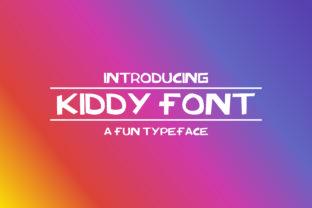
Kiddy: A Playful Font for Modern Design with a Childlike Touch
In the world of graphic design, fonts play a crucial role in shaping visual identity and conveying emotion. One font that has been gaining attention for its unique charm is Kiddy. This playful typeface is specifically designed for projects that cater to young children, making it a go-to choice for parents, educators, and creative professionals who want to add a touch of whimsy to their work.
Unlike traditional fonts that prioritize formality or minimalism, Kiddy embraces a more lighthearted approach. Its rounded edges, soft curves, and slightly uneven letterforms evoke a sense of fun and approachability. This makes it ideal for branding, educational materials, and digital content aimed at children or families. But what exactly makes Kiddy stand out in today’s design landscape?
The Rise of Playful Typography in Modern Design
Over the past few years, there has been a noticeable shift toward more expressive and personality-driven design elements. In an era where digital interfaces dominate daily life, users are increasingly drawn to visuals that feel human, relatable, and emotionally engaging. This trend extends beyond just color schemes and layouts—it also includes typography.
Fonts like Kiddy reflect this movement by offering a fresh alternative to the rigid, often sterile typefaces that have long dominated the industry. By incorporating a more organic, hand-drawn aesthetic, these fonts help create a stronger emotional connection between the audience and the message being conveyed.
This shift is particularly relevant in sectors such as education, parenting, and children's entertainment. As more parents seek out high-quality, visually appealing resources for their kids, the demand for fonts that align with a child-friendly vibe has grown. Kiddy meets this need by providing a versatile tool that can be used across various platforms, from print materials to digital campaigns.
Why Kiddy Matters in Today’s Creative Landscape
For designers, Kiddy offers a way to differentiate their work in a crowded market. While many fonts aim for clarity and professionalism, Kiddy takes a different path—one that prioritizes character and personality. This makes it especially valuable for projects that require a more informal, approachable tone.
Consider a children’s book publisher looking to create a series of illustrated stories. Using a font like Kiddy could help establish a consistent visual language that feels familiar and comforting to young readers. Similarly, a toy company launching a new line of educational products might use Kiddy to reinforce a brand identity that’s both fun and trustworthy.
Moreover, Kiddy is not limited to just children’s media. It can also be used in marketing campaigns targeting parents or even in lifestyle branding that emphasizes simplicity and joy. The font’s versatility allows it to adapt to a wide range of contexts, making it a valuable addition to any designer’s toolkit.
Evolution of Design Trends and the Role of Playfulness
Design trends are constantly evolving, influenced by cultural shifts, technological advancements, and changing user preferences. One of the most significant changes in recent years has been the growing appreciation for imperfection and authenticity. This is evident in the popularity of handcrafted aesthetics, analog textures, and custom illustrations—elements that bring a sense of warmth and humanity to digital spaces.
Kiddy fits into this evolution by embracing a slightly irregular, hand-crafted look. Unlike highly polished typefaces that feel artificial, Kiddy has a natural, almost handwritten quality that adds depth and character. This aligns with the broader movement toward more expressive and individualized design solutions.
Another factor driving the popularity of fonts like Kiddy is the increasing focus on inclusivity and accessibility. As more people recognize the importance of designing for diverse audiences, the need for fonts that are both visually engaging and easy to read has become more pressing. Kiddy strikes a balance between style and legibility, making it suitable for a wide range of applications.
Practical Applications for Creators and Businesses
For creators and businesses, Kiddy offers several practical benefits. Its playful nature makes it ideal for branding efforts that aim to connect with younger demographics or foster a sense of community. Whether it’s a logo, a social media post, or a promotional flyer, using Kiddy can help convey a message that feels genuine and relatable.
Take, for example, a parenting blog that wants to create a cohesive visual identity. By incorporating Kiddy into their design strategy, they can develop a brand that feels welcoming and friendly. This not only helps attract a loyal audience but also reinforces the blog’s mission of supporting families in a meaningful way.
Similarly, a local daycare center might use Kiddy in its marketing materials to create a warm, inviting atmosphere. The font’s gentle, rounded shapes can help communicate a sense of safety and care, which is essential in early childhood environments. In this context, Kiddy becomes more than just a stylistic choice—it becomes a tool for building trust and connection.
How to Use Kiddy Effectively in Your Projects
While Kiddy is undeniably charming, it’s important to use it thoughtfully. Like any font, it works best when paired with other design elements that complement its style. For instance, combining Kiddy with clean, modern sans-serif fonts can help create a balanced composition that feels both playful and professional.
Another key consideration is context. Kiddy may not be the best choice for formal documents or high-stakes presentations. However, it shines in casual, creative, or family-oriented settings. When in doubt, test the font in different scenarios to see how it performs and adjust accordingly.
Additionally, keep in mind that readability is crucial. While Kiddy is designed to be legible, it’s still important to ensure that text using this font remains clear and easy to understand, especially for younger audiences. Experimenting with font size, spacing, and contrast can help optimize the reading experience.
The Future of Playful Design and Kiddy’s Place in It
As design continues to evolve, the demand for fonts that blend creativity with functionality is likely to grow. Kiddy represents a step in this direction, offering a unique solution for those who want to infuse their work with a sense of joy and imagination.
Looking ahead, we may see more designers experimenting with playful typefaces that challenge traditional norms while maintaining a strong visual identity. Kiddy is well-positioned to benefit from this trend, especially as more brands and creators seek ways to stand out in an increasingly competitive market.
Ultimately, the value of Kiddy lies in its ability to connect with people on an emotional level. Whether it’s through a children’s book, a marketing campaign, or a personal project, this font has the power to make a lasting impression. As the design world continues to embrace more expressive and inclusive approaches, Kiddy will remain a relevant and valuable resource for anyone looking to add a touch of fun to their work.