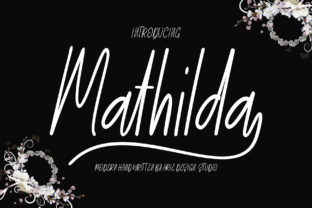
Mathilda Script: A Modern Handwritten Font for Elegant Design
The Mathilda Script is a modern handwritten font that brings a sense of sophistication and warmth to any design project. With its clean, flowing lines and natural character, it offers a unique blend of elegance and readability. Whether used in branding, invitations, or digital content, Mathilda Script can elevate the visual appeal of your work while maintaining a professional feel.
Unlike many other script fonts that may lean too heavily into cursive or ornate styles, Mathilda Script strikes a balance between casual and refined. Its design allows for easy legibility even at smaller sizes, making it suitable for a wide range of applications. This versatility makes it a popular choice among designers looking for a font that feels both personal and polished.
What Makes Mathilda Script Unique?
One of the standout features of Mathilda Script is its consistent line weight and balanced structure. Many handwritten fonts can appear uneven or inconsistent, especially when used in longer text blocks. Mathilda Script avoids this by maintaining a uniform appearance, ensuring that it reads smoothly and looks cohesive across different formats.
Another key aspect of Mathilda Script is its adaptability. It works well in both digital and print media, and its open letterforms make it ideal for use in headings, logos, and titles. The font also includes a range of stylistic alternatives, allowing users to customize the look to suit their specific needs. These variations help prevent repetition and add a more personalized touch to designs.
Additionally, Mathilda Script is available in multiple weights and styles, giving designers more flexibility. Whether you need a bold, eye-catching headline or a subtle, elegant body text, there is likely a version of Mathilda Script that fits your requirements. This range of options makes it a valuable addition to any font library.
How Mathilda Script Compares to Other Handwritten Fonts
When comparing Mathilda Script to other handwritten fonts, it stands out for its clarity and refinement. Many similar fonts tend to be either too informal or overly complex, which can limit their usability in professional settings. Mathilda Script, on the other hand, offers a middle ground that is both expressive and functional.
For example, while fonts like Brush Script or Lobster may have a more dramatic or artistic flair, they often require careful spacing and formatting to maintain readability. Mathilda Script simplifies this process by offering a more structured approach without sacrificing the organic feel of a handwritten style. This makes it a better choice for projects where clarity is important.
In contrast to more rigid serif or sans-serif fonts, Mathilda Script adds a human touch that can make designs feel more approachable. It’s particularly effective in contexts where a personal or creative tone is desired, such as in marketing materials, social media posts, or event invitations. However, it may not be the best fit for formal documents or technical content where a more neutral typeface is preferred.
Best Use Cases for Mathilda Script
Mathilda Script excels in situations where a personal and elegant touch is needed. It is commonly used in branding for businesses that want to convey a sense of creativity, authenticity, or craftsmanship. For instance, a boutique coffee shop might use Mathilda Script in its logo to reflect a warm, artisanal vibe.
It is also well-suited for editorial design, such as magazine layouts, book covers, or blog headers. In these contexts, the font can draw attention without overwhelming the reader. Its readability at larger sizes makes it ideal for titles and subheadings, while its subtle details add visual interest.
Another practical application is in digital content creation. Social media platforms, email newsletters, and website banners often benefit from the personality that Mathilda Script brings. It can help differentiate a brand or message in a crowded digital space, making it more memorable and engaging.
Considerations and Limitations
While Mathilda Script has many strengths, it is not a one-size-fits-all solution. One potential limitation is its suitability for long paragraphs of text. Although it is readable at smaller sizes, it may not be the most efficient choice for body copy in books, articles, or reports. In such cases, a more traditional typeface would typically be preferable.
Another consideration is the availability of the font. Depending on the platform or design software being used, access to Mathilda Script may vary. Some designers may find that alternative fonts offer similar aesthetics with greater compatibility or ease of use. It’s worth exploring different options to see which best aligns with your workflow and project goals.
Additionally, the aesthetic of Mathilda Script may not resonate with all audiences. While its elegance is appealing to many, some may find it too soft or informal for certain contexts. It’s important to consider the target audience and the overall tone of the design when deciding whether to use this font.
When to Choose Mathilda Script
Mathilda Script is an excellent choice when the goal is to add a touch of personality and sophistication to a design. If you’re working on a project that requires a humanized, creative, or emotional element, this font can help achieve that effect. It’s particularly useful for brands, events, or campaigns that aim to connect with their audience on a more personal level.
It is also a good option when you want to stand out without being overly unconventional. Unlike more extreme script fonts, Mathilda Script maintains a level of professionalism that makes it suitable for a broader range of applications. This makes it a versatile tool for designers who want to balance creativity with functionality.
If you’re looking for a font that feels both modern and timeless, Mathilda Script is worth considering. Its clean lines, balanced structure, and adaptability make it a reliable choice for a variety of design needs.
Alternatives to Mathilda Script
There are several alternatives to Mathilda Script that may suit different design goals. For example, fonts like Great Vibes or Dancing Script offer a similar handwritten style but with more pronounced flourishes and a more decorative appearance. These may be better suited for highly stylized projects, such as wedding invitations or artistic posters.
On the other end of the spectrum, fonts like Lora or Merriweather provide a more traditional, elegant look with a slightly more formal feel. These are often used in academic or professional contexts where readability and timelessness are priorities.
Ultimately, the choice between Mathilda Script and its alternatives depends on the specific needs of the project. By understanding the strengths and limitations of each font, designers can make informed decisions that align with their creative vision and practical requirements.
Conclusion
The Mathilda Script is a modern handwritten font that combines elegance with practicality. Its clean lines, balanced structure, and adaptability make it a valuable asset for a wide range of design projects. Whether used in branding, editorial work, or digital content, it adds a personal and sophisticated touch that can enhance the overall visual appeal of a design.
However, like any font, it is not universally applicable. Its suitability depends on factors such as the intended use, audience, and overall design goals. By carefully evaluating these elements, designers can determine whether Mathilda Script is the right choice or if another option might be more appropriate.
Ultimately, the decision should be based on how well the font aligns with the project’s needs and the designer’s creative vision. With its combination of style and functionality, Mathilda Script remains a strong contender for those seeking a modern, elegant handwritten font.