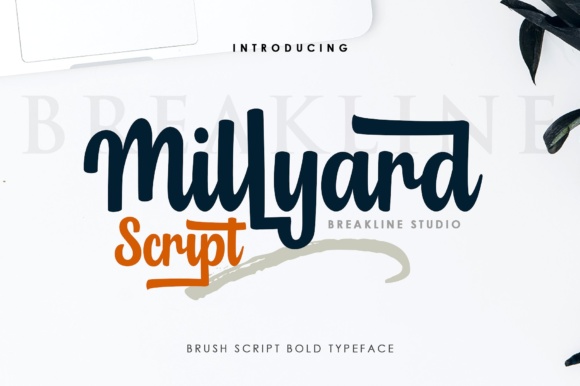
Millyard Script: A Bold and Clean Font for Strategic Design
Millyard Script is more than just a font—it’s a tool that can elevate your design work with its bold and clean typographic harmony. Whether you're working on branding, marketing materials, or creative projects, this script font offers a versatile and professional look that aligns with modern design trends. Its unique balance of elegance and strength makes it ideal for a wide range of applications, from headlines to logos.
Strategically using Millyard Script can help you achieve clearer communication, stronger brand identity, and more visually compelling designs. By understanding how and when to apply this font, you can make better decisions about your visual output and ensure your work stands out in a competitive landscape.
What Makes Millyard Script Strategically Useful?
Millyard Script combines the warmth of a handwritten style with the precision of a digital font. This blend allows it to convey both creativity and professionalism, making it suitable for diverse design contexts. Its clean lines and consistent structure ensure readability even at smaller sizes, which is essential for effective communication.
From a strategic perspective, fonts like Millyard Script play a critical role in shaping audience perception. The right typeface can reinforce your message, build trust, and support your brand’s visual identity. When used intentionally, Millyard Script can enhance your overall design strategy by aligning with your goals and audience expectations.
For entrepreneurs, marketers, and designers, choosing the right font is part of a broader decision-making process. Millyard Script provides a reliable option that balances aesthetics with functionality, helping you avoid common pitfalls like poor legibility or mismatched styles.
When to Use Millyard Script: Practical Applications
Millyard Script shines in scenarios where a strong yet approachable visual presence is needed. It works well for headlines, titles, and short phrases that require attention without overwhelming the reader. For example, in marketing campaigns, using Millyard Script for taglines or product names can create a memorable and cohesive look.
It’s also valuable for branding projects. If you’re building a new brand or rebranding an existing one, Millyard Script can serve as a core element of your visual language. Its versatility allows it to fit into different media, from print to digital, ensuring consistency across all touchpoints.
Consider using Millyard Script for social media content, presentations, or website headers. These are areas where visual impact matters, and the font’s clean design helps maintain professionalism while adding a touch of personality.
How to Approach Using Millyard Script Effectively
To get the most out of Millyard Script, start by defining your goals. Are you looking to create a bold statement, communicate a specific message, or enhance your brand’s visual appeal? Understanding your purpose will guide how you use the font and what other elements should accompany it.
Pairing Millyard Script with complementary fonts is another key consideration. While it works well on its own, combining it with a sans-serif or serif font can add depth and contrast. For instance, using a simple sans-serif for body text alongside Millyard Script for headings can create a balanced and professional layout.
Additionally, consider the context in which the font will be used. In formal settings, such as business reports or official documents, Millyard Script may need to be used sparingly. In creative or informal contexts, it can be more expressive and experimental.
Strategic Observations: Balancing Creativity and Clarity
One of the greatest strengths of Millyard Script is its ability to bridge creativity and clarity. It avoids the extremes of overly decorative or overly rigid fonts, offering a middle ground that supports both artistic expression and practical communication.
This balance is especially important in design planning. When developing a project, you want to ensure that every visual element contributes to the overall objective. Millyard Script can be a powerful asset if used with intention, but it can also become a distraction if not integrated thoughtfully.
Think about the emotional tone you want to convey. Millyard Script has a confident and modern feel, which can align with brands that emphasize innovation, reliability, or sophistication. However, it may not be the best choice for more casual or playful projects where a more whimsical font might be more appropriate.
Planning Tips: Integrating Millyard Script into Your Workflow
Before incorporating Millyard Script into your design workflow, take time to plan how it will fit into your existing assets. Consider factors such as scalability, compatibility with other design tools, and accessibility. Ensure that the font is available in multiple formats and that it renders consistently across different platforms.
Another tip is to test the font in real-world scenarios. Create mockups or prototypes to see how it looks in various sizes and contexts. This step can reveal potential issues, such as poor readability or inconsistent spacing, that may not be apparent at first glance.
Collaboration is also key. If you’re working with a team, share your reasoning for using Millyard Script and gather feedback. This ensures that everyone is aligned and that the font serves the project’s goals effectively.
Decision-Making Guidance: Avoiding Common Pitfalls
Using Millyard Script without clear goals or context can lead to ineffective design choices. For example, applying it to large blocks of text may reduce readability and confuse the audience. Similarly, overusing it across multiple elements can dilute its impact and make your design feel cluttered.
Avoid the trap of relying on trends without considering their relevance to your specific needs. While Millyard Script is popular, it may not be the best fit for every project. Evaluate whether it aligns with your brand’s voice, audience preferences, and overall design strategy.
Finally, remember that typography is part of a larger design ecosystem. Millyard Script should complement other visual elements, not overshadow them. Focus on creating a cohesive and intentional design that supports your objectives and resonates with your audience.
Long-Term Value: Building a Strong Visual Identity
Over time, the thoughtful use of Millyard Script can contribute to a stronger and more recognizable visual identity. Consistent application of the font across different projects and platforms reinforces brand recognition and builds trust with your audience.
As your design needs evolve, Millyard Script can adapt to new challenges and opportunities. Its flexibility makes it a valuable long-term asset, especially for businesses and creators who want to maintain a cohesive and professional appearance.
By integrating Millyard Script into your design strategy, you’re not just choosing a font—you’re making a deliberate decision that supports your goals, enhances your communication, and strengthens your overall visual presence.
Conclusion: Intentional Use of Millyard Script
Millyard Script offers a powerful combination of boldness and clarity that can enhance your design work in meaningful ways. However, its effectiveness depends on how it’s used. By approaching it with intention, understanding its strengths, and aligning it with your goals, you can unlock its full potential.
Whether you’re a designer, marketer, or business owner, taking the time to plan and execute your use of Millyard Script will lead to better results. It’s not just about aesthetics—it’s about making strategic choices that support your vision and deliver real value.
With careful consideration and practical application, Millyard Script can become a trusted tool in your design arsenal, helping you achieve greater clarity, impact, and success in your creative and professional endeavors.