Stinker: A Bold and Versatile Font for Creative Expression
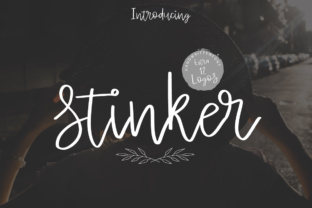
In the world of typography, the right font can make all the difference in conveying a message, setting a tone, or capturing attention. Stinker is a unique and expressive font that stands out with its casual aesthetic and dynamic letter variations. Designed for those who value creativity and individuality, Stinker offers a fresh approach to visual communication, making it ideal for a wide range of applications from branding to digital design.
The Origins and Design Philosophy of Stinker
Stinker was developed with the goal of providing designers and creators with a font that feels both authentic and adaptable. Unlike traditional fonts that follow strict typographic rules, Stinker embraces a more relaxed, handcrafted style. Its letters are designed to vary slightly in shape and size, giving each character a sense of movement and personality. This variation makes Stinker particularly well-suited for projects that require a more informal or artistic touch.
The font’s name itself reflects its playful nature. While “stinker” might sound unconventional, it perfectly captures the idea of a font that doesn’t conform to standard expectations. Instead, Stinker invites users to think outside the box and experiment with different layouts, colors, and formats. This flexibility is one of its most appealing features, allowing it to be used in both digital and print media without losing its distinctive character.
Variations and Customization Options
One of the standout features of Stinker is its extensive set of letter variations. Each letter is available in multiple forms, enabling users to create custom designs that feel truly unique. For example, the letter “A” might appear in several different shapes, ranging from a classic triangle to a more stylized, fluid form. This level of customization allows designers to tailor the font to their specific needs, whether they’re working on a logo, a website, or a social media campaign.
Additionally, Stinker includes a variety of alternate characters and ligatures, which can be used to enhance the visual appeal of text. These features are especially useful when designing headlines, titles, or other prominent elements where style and readability are important. By combining different letterforms, users can create a cohesive look that feels both modern and timeless.
Applications and Use Cases
Stinker’s versatility makes it suitable for a wide range of applications. One of its most popular uses is in branding and identity design. Companies looking to stand out in a competitive market often turn to Stinker for its ability to convey a sense of energy and innovation. Whether it’s a startup logo, a product name, or a tagline, Stinker adds a unique flair that can help a brand differentiate itself from others.
Beyond branding, Stinker is also widely used in digital design, such as web development, app interfaces, and user experience (UX) elements. Its casual style works well in environments where a more approachable and friendly tone is needed. For instance, a mobile app targeting younger audiences might use Stinker to create a more engaging and interactive interface. The font’s legibility at different sizes ensures that it remains effective even when used in smaller text fields or buttons.
Another area where Stinker shines is in editorial and content creation. Writers, bloggers, and publishers often use the font to add visual interest to articles, book covers, or magazine layouts. Its natural, handwritten appearance can give written content a more personal and authentic feel, making it ideal for storytelling or creative writing projects.
Examples of Stinker in Action
To better understand how Stinker can be applied in real-world scenarios, consider the following examples:
- Logo Design: A boutique clothing brand might use Stinker to create a logo that feels both modern and nostalgic. The font’s variations allow for a custom look that reflects the brand’s personality and values.
- Website Headers: A tech blog could use Stinker for its main headings to create a visually striking and memorable layout. The font’s dynamic nature helps draw attention to key sections of the site.
- Social Media Graphics: Influencers and content creators often use Stinker in their Instagram posts, YouTube thumbnails, or Twitter banners. The font’s casual style aligns well with the platform’s informal and engaging atmosphere.
These examples illustrate how Stinker can be adapted to different contexts while maintaining its signature style. Its adaptability makes it a valuable tool for anyone involved in visual design, whether they’re a professional designer or a hobbyist exploring new creative possibilities.
Advantages and Considerations
There are several advantages to using Stinker in design projects. First and foremost, its unique aesthetic sets it apart from more conventional fonts, helping to create a memorable and distinctive visual identity. This is especially beneficial in industries where differentiation is key, such as fashion, entertainment, or technology.
Another advantage is its ease of use. Despite its complexity, Stinker is designed to be user-friendly, with clear instructions for accessing its various letter variations. Most design software, including Adobe Illustrator, Photoshop, and Figma, supports Stinker, making it accessible to a wide range of users. Additionally, the font is available in multiple file formats, ensuring compatibility across different platforms and devices.
However, there are some considerations to keep in mind when using Stinker. Because of its varied letterforms, it may not be the best choice for large blocks of body text, as readability can be affected. In such cases, it’s recommended to pair Stinker with a more traditional font for the main content while using it for headings or accents. This approach maintains the font’s visual impact without compromising clarity.
Getting Started with Stinker
If you’re interested in incorporating Stinker into your design work, the first step is to obtain the font files. Stinker is typically available for purchase through font marketplaces like Adobe Fonts, MyFonts, or Google Fonts. Once you’ve acquired the font, you can download and install it on your computer or directly integrate it into your design software.
After installation, take some time to explore the font’s features and test it in different contexts. Experimenting with different letter combinations and styles will help you understand how Stinker can be used effectively. You can also refer to online tutorials or design communities for tips on maximizing the font’s potential.
For those who want to go beyond basic usage, Stinker offers additional resources, such as style guides, sample projects, and community forums. These tools can provide valuable insights and inspiration, helping you make the most of this versatile font.