The Calhambeque: A Unique Collection of Vintage Car Silhouettes for Designers and Creators
If you're a designer, marketer, or content creator looking for a distinctive visual element to enhance your projects, the Calhambeque could be the perfect addition to your toolkit. This collection features a curated set of vintage car silhouettes in font format, offering a blend of nostalgia and modern usability. Whether you're working on a branding project, a social media campaign, or a personal design piece, the Calhambeque provides a versatile and stylish option.
But like any design resource, it's important to understand how to use the Calhambeque effectively. Misunderstandings about its purpose, limitations, or application can lead to suboptimal results. Let’s explore what the Calhambeque is, common pitfalls to avoid, and how to make the most of this unique asset.
What Is the Calhambeque?
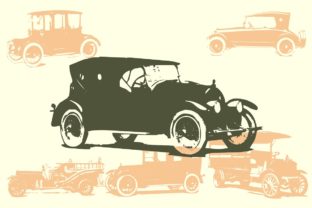
The Calhambeque is more than just a set of images—it’s a carefully crafted collection of vintage car silhouettes designed to function as a font. Each silhouette represents a classic vehicle from bygone eras, captured in a minimalist, outline style. These designs are ideal for adding a retro flair to logos, illustrations, signage, or digital graphics.
Unlike traditional fonts that focus on letters and symbols, the Calhambeque offers a different kind of typography—one where each character is a vehicle. This makes it particularly useful for creative projects that aim to evoke a sense of history, craftsmanship, or automotive culture.
Common Mistakes When Using the Calhambeque
While the Calhambeque is a powerful tool, several mistakes can hinder its effectiveness if not addressed:
- Misunderstanding the format: Some users may assume the Calhambeque is a standard font file, but it’s actually a set of vector graphics. This distinction affects how it can be used in different design software.
- Ignoring scalability: Although the silhouettes are scalable, using them at extremely large sizes can result in loss of detail or pixelation, especially if not exported properly.
- Overlooking licensing terms: Not all vintage car designs are free to use. It’s essential to verify that the Calhambeque comes with the appropriate license for your intended use, whether personal or commercial.
- Using it inappropriately: The Calhambeque works best in contexts that align with its aesthetic. Placing it in a modern, tech-focused design might clash with the overall theme.
How These Mistakes Can Affect Your Work
Each of these errors can have a tangible impact on your final output. For example, if you try to use the Calhambeque as a regular font without understanding its format, you may end up with distorted or incomplete images. Similarly, failing to check licensing could lead to legal issues if the design is used in a commercial context without permission.
Additionally, poor scalability can make your design look unprofessional, especially if the silhouettes appear blurry or jagged when enlarged. And using the Calhambeque in an unsuitable context may dilute its visual impact, making it less effective at conveying the desired message or emotion.
Practical Tips for Using the Calhambeque Effectively
To get the most out of the Calhambeque, consider the following strategies:
- Understand the file format: Before downloading or using the Calhambeque, confirm whether it comes in SVG, PNG, or another compatible format. This will determine how easily it can be integrated into your workflow.
- Test at different sizes: Experiment with scaling the silhouettes to ensure they maintain clarity and quality. This is especially important if you plan to use them in print or high-resolution digital formats.
- Review the license agreement: Always read the terms of use associated with the Calhambeque. Some versions may allow personal use only, while others offer broader commercial rights.
- Match the style to your project: Consider the tone and purpose of your design before incorporating the Calhambeque. It shines in retro-themed projects, but may not fit well in more contemporary or minimalistic designs.
Realistic Examples of Better Approaches
Imagine you're designing a logo for a vintage car restoration business. Using the Calhambeque could add a nostalgic touch that resonates with your target audience. However, if you simply place a silhouette in the corner without considering layout or color, it might go unnoticed. A better approach would be to integrate the silhouette into the main design, perhaps as a background element or part of the brand’s emblem.
Another example involves a social media campaign for a retro-themed event. Instead of using the Calhambeque as a standalone image, you could combine it with vintage-style text and colors to create a cohesive visual identity. This enhances the overall experience and makes the design more engaging.
What to Check Before Using the Calhambeque
Before committing to the Calhambeque, take the following steps:
- Verify the source: Ensure the Calhambeque is obtained from a reputable provider. Unverified sources may offer low-quality or unauthorized designs.
- Check for updates: Some collections may include multiple versions or styles. Confirm that you’re using the most recent and complete set.
- Consider accessibility: If the Calhambeque will be used in public-facing materials, ensure it meets accessibility standards, such as proper contrast and clarity.
- Plan for flexibility: Think about how the Calhambeque can be adapted across different platforms and mediums. Will it work on both web and print? Does it support various color schemes?
Final Thoughts on the Calhambeque
The Calhambeque offers a unique way to incorporate vintage car aesthetics into your design work. With the right approach, it can elevate your projects and add a layer of historical charm. However, it’s important to use it thoughtfully and with an understanding of its capabilities and limitations.
By avoiding common mistakes and following practical guidelines, you can ensure that the Calhambeque enhances rather than hinders your creative goals. Whether you're a beginner or an experienced designer, taking the time to learn about this resource can lead to more satisfying and professional results.