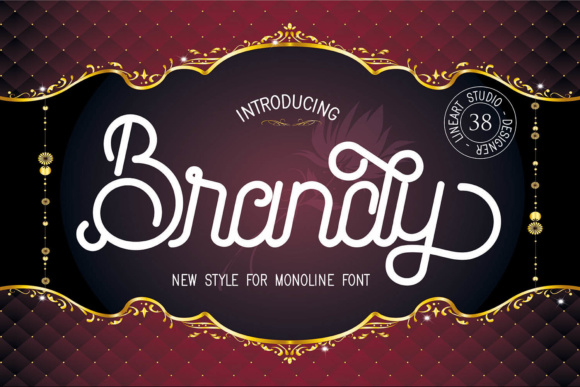
Brandy: A Versatile Monoline Font for Elegant Design
In the world of typography, finding a font that balances elegance with functionality can be challenging. Brandy is a monoline font duo designed to meet these needs, offering two distinct variations—script and serif. Each variation brings its own unique style while maintaining a cohesive aesthetic that complements modern and vintage design elements. Whether you're working on a logo, web banner, or a quote, Brandy provides a refined touch that elevates your project.
Understanding Brandy: A Monoline Font Duo
Brandy is more than just a font; it's a versatile tool for designers looking to add a touch of sophistication to their work. The font comes in two main styles: script and serif. The script version offers a flowing, handwritten look, available in both regular and clean variants. This makes it ideal for projects that require a personal or artistic flair. Meanwhile, the serif version features capital letters only, creating a balanced and rhythmic appearance that works well in monoline designs.
The design of Brandy is rooted in a vintage aesthetic, which gives it a timeless appeal. This characteristic makes it particularly suitable for branding, where consistency and visual harmony are essential. By using Brandy, designers can create a sense of nostalgia without sacrificing modernity, making it a valuable asset in various creative fields.
Challenges and Goals in Typography
Designers often face challenges when selecting fonts that align with their vision while also being practical for different applications. Finding a font that is both stylish and functional can be time-consuming. Additionally, ensuring that the chosen font maintains readability across different mediums—such as print and digital platforms—adds another layer of complexity.
For those aiming to create a brand identity, the goal is often to establish a strong visual presence that resonates with the target audience. This requires a font that is not only aesthetically pleasing but also adaptable to various design contexts. Brandy addresses these challenges by offering two distinct styles that can be used independently or in combination, allowing for greater flexibility in design choices.
How Brandy Can Help Address Design Needs
Brandy’s versatility makes it an excellent choice for a wide range of design projects. Its script variant is perfect for adding a personal touch to logos, invitations, or social media graphics. The clean version of the script ensures that the font remains legible even at smaller sizes, making it suitable for body text or headings. On the other hand, the serif variant, with its emphasis on capital letters, provides a structured and elegant look that can enhance the visual rhythm of a design.
One of the key advantages of Brandy is its ability to maintain a consistent style across different applications. Whether used in a website header, a book cover, or a promotional poster, the font retains its character and quality. This consistency is crucial for building a strong brand identity, as it helps reinforce recognition and trust among the audience.
Practical Applications of Brandy
Brandy’s adaptability makes it suitable for a variety of design scenarios. For instance, in logo design, the script version can be used to create a custom, handcrafted feel, while the serif version adds a more formal and sophisticated tone. This duality allows designers to tailor the font to the specific needs of their project, whether it's a casual brand or a high-end product.
In web design, Brandy can be used to create visually appealing banners or headlines that capture attention. Its vintage aesthetic pairs well with retro-themed websites, while its clean lines ensure that it doesn't overwhelm the overall layout. When used in quotes or featured text, Brandy adds a sense of elegance that draws readers in and enhances the message being conveyed.
Examples and Recommendations for Using Brandy
Consider using Brandy in a fashion brand’s logo to evoke a sense of timeless beauty. The script variant could be used for the brand name, while the serif version might appear in taglines or product descriptions. This combination creates a harmonious balance between creativity and professionalism.
Another example is in the design of a wedding invitation. Brandy’s script version can add a personal and romantic touch, while the serif variant can be used for details like the date or venue. This approach ensures that the design remains elegant and readable, meeting both aesthetic and functional goals.
Considering Different User Approaches
Users may approach Brandy differently based on their design goals and preferences. A graphic designer focused on branding might prioritize the font’s ability to create a consistent visual identity, while a web developer might focus on its compatibility with different platforms. Understanding these varying needs helps in maximizing the font’s potential in diverse applications.
Additionally, users may experiment with different combinations of the script and serif versions to achieve a unique look. For instance, using the script for headings and the serif for body text can create a dynamic contrast that enhances the overall design. This flexibility allows for creative exploration while maintaining a cohesive style.
Conclusion: Embracing the Elegance of Brandy
Brandy is a powerful tool for designers seeking to add a touch of elegance and vintage charm to their work. Its two variations—script and serif—offer a range of possibilities for different design needs, from logos to web banners. By understanding how to use Brandy effectively, designers can create visually compelling projects that resonate with their audience.
Whether you're looking to elevate your brand identity or enhance a creative project, Brandy provides a solution that is both stylish and practical. Its ability to blend tradition with modern design makes it a valuable addition to any designer’s toolkit. With Brandy, the possibilities are endless, and the results are always impressive.